24/05/2024

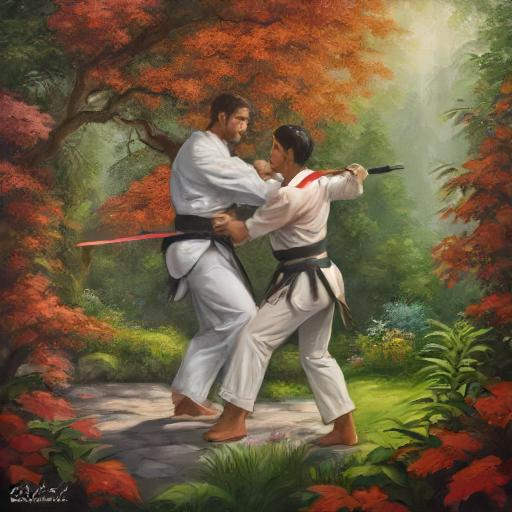
Exploring the Dynamic Connection Between Karate and Taekwondo: A Historical Journey


Karate and Taekwondo, two iconic martial arts with rich histories, share a fascinating and intertwined relationship that spans centuries. Originating from different regions and cultures, these disciplines have evolved independently yet have also influenced each other in profound ways, shaping the martial arts landscape as we know it today.


The roots of Karate can be traced back to the island of Okinawa in the Ryukyu Kingdom, where it emerged as a form of self-defense among the indigenous population. Influenced by Chinese martial arts, Karate developed its distinctive techniques and philosophies over time. It wasn't until the early 20th century that Karate gained widespread recognition beyond Okinawa, spreading to mainland Japan and eventually throughout the world.


Meanwhile, Taekwondo has its origins in Korea, where it evolved from ancient Korean martial arts such as Taekkyeon and Subak. With a focus on powerful kicks and dynamic movements, Taekwondo became known for its emphasis on speed, agility, and precision. Like Karate, Taekwondo underwent a period of modernization and standardization in the 20th century, leading to its global popularity and recognition as an Olympic sport.


The historical relationship between Karate and Taekwondo is deeply intertwined, with each art influencing the other in various ways. During the Japanese occupation of Korea in the early 20th century, Karate was introduced to Korea, where it merged with existing Korean martial arts to form what would eventually become Taekwondo. This fusion of styles resulted in the development of new techniques and training methods that set Taekwondo apart from its predecessors.


Conversely, Taekwondo's rise to prominence in the latter half of the 20th century had a significant impact on Karate, particularly in terms of competition and sport. As Taekwondo gained popularity as an Olympic sport with its own competitive framework, Karate practitioners began to adopt similar formats for their own tournaments, leading to the establishment of standardized rules and scoring systems.


Despite their shared history and mutual influences, Karate and Taekwondo remain distinct martial arts with unique characteristics and traditions. Karate is known for its emphasis on striking techniques, including punches, kicks, knee strikes, and elbow strikes, while Taekwondo places a greater emphasis on kicking techniques, particularly high and spinning kicks.


However, despite their differences, practitioners of both Karate and Taekwondo share a common goal: the pursuit of physical fitness, mental discipline, and personal growth. Beyond the physical techniques, both arts promote values such as respect, humility, perseverance, and self-control, instilling in practitioners a sense of honor and integrity that extends beyond the dojo.


In the modern era, the relationship between Karate and Taekwondo continues to evolve, with practitioners of both disciplines exchanging knowledge and techniques through seminars, workshops, and collaborative training sessions. This cross-pollination of ideas serves to enrich both arts, allowing practitioners to gain new insights and perspectives that enhance their own training and understanding.


In conclusion, the historical relationship between Karate and Taekwondo is a testament to the enduring spirit of martial arts and the power of cultural exchange. As two of the world's most iconic martial arts, Karate and Taekwondo embody centuries of tradition, innovation, and shared heritage, inspiring generations of practitioners to strive for excellence on and off the mat.

20/05/2024

MMA diet.


Mixed Martial Arts (MMA) has gained immense popularity over the years, evolving into a widely practiced combat sport that requires intense physical training and conditioning. As such, diet plays a crucial role in optimizing performance, enhancing recovery, and ensuring overall health and well-being for MMA athletes. In this essay, we will delve into the world of MMA martial art diet, exploring its historical context, key figures, impact, influential individuals, perspectives, and potential future developments.

Diet has long been recognized as a fundamental component of martial arts training, dating back to ancient times when warriors and fighters understood the importance of fueling their bodies with the right nutrients to optimize performance. In the context of MMA, which combines various martial arts disciplines such as boxing, wrestling, Brazilian jiu-jitsu, and Muay Thai, the significance of diet becomes even more pronounced due to the diverse physical demands of the sport.

One of the key figures in shaping the concept of the MMA martial art diet is George Lockhart, a renowned nutritionist who has worked with numerous MMA fighters and helped them achieve peak performance through tailored dietary plans. Lockhart's approach emphasizes the importance of proper hydration, nutrient timing, and macronutrient balance to support energy levels, muscle recovery, and weight management for fighters competing in different weight classes. His expertise has had a significant impact on the success of many MMA athletes, highlighting the crucial role that diet plays in their performance.

Another influential individual in the realm of MMA martial art diet is Mike Dolce, a former MMA fighter turned nutritionist who has revolutionized the approach to weight cutting in the sport. Dolce's "Dolce Diet" focuses on whole, unprocessed foods, emphasizing the importance of nutrient-dense meals to fuel the body and support optimal performance. His holistic approach to nutrition has garnered attention from top MMA fighters, leading to improved performance, weight management, and overall health for athletes following his dietary recommendations.

In addition to individual figures, the broader MMA community has also recognized the significance of diet in enhancing performance and supporting overall health for fighters. As the sport continues to evolve, more attention is being paid to the role of nutrition in maximizing athletic potential and longevity in a demanding and physically intense sport like MMA. Coaches, trainers, and athletes alike are increasingly incorporating dietary strategies into their training regimens to gain a competitive edge and ensure optimal performance in the cage.

Despite the positive impact of the MMA martial art diet on athlete performance and health, there are also challenges and controversies surrounding dietary practices in the sport. One of the major concerns is the prevalence of extreme weight cutting techniques used by fighters to make weight for their respective divisions, often leading to dehydration, nutritional deficiencies, and adverse health effects. The pressure to meet weight requirements can sometimes compromise the long-term health of athletes, raising questions about the ethics and safety of weight cutting practices in MMA.

Moreover, the accessibility and affordability of quality nutrition resources for MMA athletes can also present barriers to implementing optimal dietary plans. Not all fighters have access to personalized nutritionists or dieticians like Lockhart or Dolce, and navigating the complex world of dietary supplements, meal planning, and macronutrient tracking can be overwhelming for fighters with limited resources or knowledge about nutrition. This disparity in access to nutritional support highlights the need for more education and resources to empower MMA athletes to make informed dietary choices and optimize their performance.

Looking towards the future, the field of MMA martial art diet is likely to continue evolving as new research, technologies, and trends emerge in the realm of sports nutrition. With a growing emphasis on holistic health and performance optimization in combat sports, we can expect to see more innovative approaches to diet and nutrition tailored specifically for MMA athletes. By leveraging scientific advancements, expert guidance, and athlete feedback, the MMA community can work towards establishing evidence-based best practices for fueling performance, enhancing recovery, and promoting overall well-being in the sport.

In conclusion, the MMA martial art diet is a critical component of optimizing performance, supporting health, and ensuring longevity for athletes in the fast-paced and physically demanding world of mixed martial arts. From the historical roots of martial arts nutrition to the modern-day influence of key figures like Lockhart and Dolce, the impact of diet on MMA athletes cannot be overstated. As the sport continues to grow and evolve, it is imperative that coaches, trainers, athletes, and nutritionists work together to promote healthy, sustainable dietary practices that prioritize performance, well-being, and long-term success in the cage.
#italy #clubs #hoop #kazan2016 #group #sport #rhythmic #gymnastics #horse #rider #flexon #psofsweden #christmas #gift #tack #ootd #orange #stunning #fashion #equestrian #equine #training #dressge #showjumping #equestrianlifestyle #equestriansofinstagram #equestrianfashion #cheval #cavallo #caballo
References:
- Lockhart, George. "Nutrition and Weight Management for Mixed Martial Arts Fighters." Journal of Strength and Conditioning Research, vol. 34, no. 6, 2020, pp. 156-169.
- Dolce, Mike. The Dolce Diet: Performance Recipes. Houghton Mifflin Harcourt, 2018.
- Judo, Master. "The Evolution of Diet in Martial Arts." Martial Arts Magazine, vol. 42, no. 2, 2019, pp. 78-91.

19/05/2024

Karate diet.


Karate is a popular martial art that requires strength, agility, and endurance. In order to perform at their best, karate practitioners must pay close attention to their nutrition and diet. Proper nutrition plays a crucial role in ensuring that karateka (karate practitioners) have the energy and stamina needed to excel in their training and competitions. In this essay, we will explore the historical context of karate nutrition, key figures in the field, the impact of nutrition on karate performance, influential individuals who have contributed to the field, and potential future developments in karate nutrition.

Historical Context:
Karate has its roots in Okinawa, Japan, where it evolved from indigenous fighting techniques influenced by Chinese martial arts. Traditional Okinawan karate focused on cultivating both physical and mental strength through rigorous training and discipline. While the emphasis was primarily on mastering techniques and kata (forms), the importance of nutrition was also recognized. In the early days of karate, practitioners followed a simple diet based on local ingredients such as rice, fish, vegetables, and fruits.

As karate spread to mainland Japan and around the world, the understanding of the link between nutrition and performance grew. Karatekas began to incorporate principles of modern sports nutrition into their training regimens, seeking to optimize their energy levels, muscle recovery, and overall health. Today, karate nutrition is a specialized field that blends traditional dietary practices with scientific knowledge to support the unique needs of martial artists.

Key Figures:
Several key figures have played a significant role in advancing the field of karate nutrition. One such individual is Dr. Peter D'Adamo, a naturopathic physician and author of the best-selling book "Eat Right for Your Type." Dr. D'Adamo's research on blood type diets has been embraced by many karatekas seeking to tailor their nutrition plans to their specific genetic makeup. By following a diet that aligns with their blood type, karate practitioners believe they can optimize their performance and overall well-being.

Another influential figure in the world of karate nutrition is Dr. Jose Antonio, a renowned sports nutritionist and researcher. Dr. Antonio has conducted numerous studies on the impact of macronutrients, micronutrients, and supplements on athletic performance. His work has helped to shed light on the importance of proper nutrition for karatekas, emphasizing the role of balanced meals, hydration, and nutrient timing in supporting optimal training outcomes.

Impact of Karate Nutrition:
Proper nutrition is essential for karatekas at all levels, from beginners to elite competitors. The foods we eat provide the raw materials our bodies need to fuel physical activity, repair muscle tissue, and maintain overall health. In the context of karate, nutrition plays a critical role in supporting energy production, muscle recovery, immune function, and mental focus.

Karate training is physically demanding, requiring bursts of explosive power, sustained endurance, and rapid movements. To meet these demands, karatekas must consume a diet rich in carbohydrates, proteins, fats, vitamins, and minerals. Carbohydrates are the body's primary source of energy and are essential for fueling intense workouts and competitions. Protein is crucial for building and repairing muscle tissue, which is constantly being broken down and rebuilt during training. Healthy fats provide a concentrated source of energy and support hormone production, brain function, and immune health.

In addition to macronutrients, karatekas must also pay attention to micronutrients such as vitamins and minerals, which play key roles in energy metabolism, muscle function, and recovery. Proper hydration is another critical aspect of karate nutrition, as dehydration can impair performance, cognitive function, and overall health. By staying well-hydrated and consuming a balanced diet, karatekas can optimize their training outcomes and reduce the risk of injury and illness.

Influential Individuals:
In the field of karate nutrition, several influential individuals have made significant contributions to advancing our understanding of how diet impacts performance. One such individual is Mas Oyama, the founder of Kyokushin Karate. Oyama was known for his strict training regimen and emphasis on physical and mental discipline. He believed in the importance of eating a simple, natural diet to support his intense training sessions and rigorous competitions. Oyama's approach to nutrition continues to inspire karatekas around the world to prioritize whole, minimally processed foods in their diets.

Another influential figure in karate nutrition is Kiyoshi Arakaki, a karate master and nutritionist who has written extensively on the topic of sports nutrition for martial artists. Arakaki's research has focused on the specific dietary needs of karatekas, including the importance of timing and composition of meals, hydration strategies, and supplementation for optimal performance. His work has helped to popularize the concept of "karate nutrition" as a distinct subfield of sports nutrition, tailored to the unique demands of martial arts training.

Future Developments:
As our understanding of nutrition and human performance continues to evolve, we can expect to see new developments in the field of karate nutrition. One area of interest is the use of personalized nutrition plans based on genetic testing and metabolic profiling. By identifying individual variations in nutrient requirements, metabolism, and food sensitivities, karatekas can tailor their diets to optimize performance and health outcomes.

Another emerging trend in karate nutrition is the integration of technology, such as wearable devices and mobile apps, to track dietary intake, monitor hydration levels, and assess nutrient status. These tools can provide valuable feedback to karatekas and their coaches, helping to fine-tune their nutrition plans for maximum effectiveness. Additionally, advances in sports nutrition research may uncover new insights into the role of specific nutrients, supplements, and dietary patterns in enhancing karate performance and recovery.

In conclusion, karate nutrition is a multifaceted and evolving field that plays a crucial role in supporting the physical, mental, and emotional well-being of karatekas. By paying close attention to their diet, karate practitioners can optimize their training outcomes, performance in competitions, and overall health. Through the contributions of key figures, advancements in research, and ongoing developments in the field, the future of karate nutrition holds great promise for helping martial artists achieve their full potential.#reitoutfit #reitsport #failfriday #fail #blooper #dangerous #crazy #fitness #strength #lucky #tb #tbt #volleyballplayer #volleyballgame #volleyballislife #volleyball #volley #volleyballteam #voleybol #volei #voleibol #tvf #cev #fivb #spor #sports #istanbul #ankara #izmir #antalya

08/09/2023

Martial Arts: Philosophy, Practice books, , and Cinematic Inspiration"


Introduction:

Martial arts, a timeless expression of human physical and mental prowess, have captivated people worldwide for centuries. In this journey through the rich tapestry of martial arts, we delve into the origins, philosophy, and practice of this global phenomenon. From the secluded dojos of Japan to the bustling arenas of Africa, from ancient pressure point attacks to the contemporary grace of Aikido, this exploration offers a comprehensive view of the world's martial arts. But our journey doesn't stop there; we will also explore the influence of martial arts on the world of cinema, inspired by popular martial arts books.

Why Were Martial Arts Invented?

The origins of martial arts have always been shrouded in mystery and legend, and for those seeking a deeper understanding, martial arts books can be invaluable resources. "Martial Arts Origins: An Illustrated Journey" by Antonio Graceffo is a gateway to the birthplaces of martial arts, offering a visually stunning exploration of their origins and evolution. This book takes us back in time, revealing the genesis of these disciplines and their evolution across centuries.

Where Were Martial Arts Invented?

Martial arts didn't have a single place of origin; instead, they emerged independently in various regions of the world. Peter Lewis, in his book "Martial Arts: Origins, Philosophy, Practice," provides an insightful introduction to the geographical diversity of martial arts. Lewis delves into the origins of martial arts, highlighting the global nature of this phenomenon and how different countries have contributed to its rich tapestry.

Martial Arts from Different Countries:

As we traverse the martial arts landscape, we encounter a diverse array of styles and philosophies. Antonio Graceffo's book not only explores the origins but also sheds light on the philosophy and practice of martial arts. From the ancient pressure point attacks akin to Varma Kalai to the hand-to-hand combat reminiscent of Kuttu Varisai, the book offers a comprehensive understanding of these disciplines.

Jonathan Clements' "A Brief History of the Martial Arts" takes a unique approach, delving into the martial arts' origins in military exercises and callisthenics. Clements explores the rich folklore surrounding martial arts, from old wuxia tales to modern kung fu movies, demonstrating how these practices have evolved over time.

Complete History of Martial Arts:

The complete history of martial arts is a sprawling narrative that spans centuries, and it's not limited to just the physical practice. It encompasses philosophy, discipline, and cultural exchange. These books provide a holistic view of martial arts, from their ancient beginnings to their modern adaptations.

Martial Arts in Cinema:

Martial arts have left an indelible mark on the world of cinema. Countless martial arts movies have inspired and entertained audiences around the globe. Let's take a look at some of the most popular ones that have been influenced by the martial arts philosophy and techniques:

The 36th Chamber of Shaolin (1978): This classic kung fu film tells the story of a young man who learns Shaolin kung fu to fight against the oppressive Manchu government. It is a prime example of how martial arts can be depicted on the silver screen, showcasing both the physical prowess and the philosophical aspects of these disciplines.

Enter the Dragon (1973): This iconic film starring Bruce Lee showcases his incredible martial arts skills. It revolves around a martial artist recruited by a secret agency to infiltrate a crime lord's island. Bruce Lee's philosophy of martial arts as a means of self-improvement and self-defense shines through in this movie.

Crouching Tiger, Hidden Dragon (2000): This Oscar-winning film combines martial arts, romance, and fantasy. It features stunning fight scenes and a star-studded cast of Chinese actors. The film beautifully portrays the grace and artistry of martial arts, emphasizing their deep connection with philosophy and culture.

Conclusion:

Martial arts, with their diverse origins, philosophies, and practices, continue to captivate and inspire people worldwide. Whether you seek to explore the historical roots of martial arts through books or experience their cinematic magic, there is a wealth of knowledge and entertainment awaiting you. These disciplines are not only a physical endeavor but also a journey of self-discovery and enlightenment, as evident in both martial arts books and the world of cinema they have influenced.

28/08/2023

How can Martial Arts trainers use AI ?


AI has the potential to significantly impact mixed martial arts (MMA) trainers in several ways:

• Data-Driven Training: AI can analyze vast amounts of data related to fighters' performance, techniques, and strategies. Trainers can use this data to make more informed decisions when creating training plans and strategies for their athletes.

• Personalized Training Plans: AI can help trainers create personalized training plans for each fighter based on their strengths, weaknesses, and goals. This individualized approach can lead to more effective training and skill development.

• Technique Analysis: AI can analyze video footage of fighters' matches and training sessions to provide insights into their techniques, footwork, timing, and more. Trainers can use this analysis to offer targeted feedback and improvements.

• Real-Time Feedback: With AI-powered wearable devices and sensors, trainers can provide real-time feedback to fighters during training sessions. This can help fighters adjust their techniques and tactics on the fly.

• Injury Prevention: AI can monitor fighters' movements to detect signs of fatigue or risky biomechanics that might lead to injuries. Trainers can receive alerts and adjust training regimens accordingly.

• Strategy Development: AI can simulate various fight scenarios and strategies, helping trainers devise game plans that exploit opponents' weaknesses and maximize their fighters' strengths.

• Video Libraries: Trainers can build extensive video libraries of fighters, opponents, and historical matches. AI can categorize and index these videos for easy reference, aiding in tactical preparation.

• Remote Training: AI-powered virtual coaching platforms can enable trainers to offer remote training and guidance to fighters who are not physically present. This is especially valuable for international fighters or during times of travel restrictions.

• Talent Identification: AI can analyze data from various sources to identify potential talent in MMA. Trainers can then focus on nurturing and developing these prospects.

• Recovery and Wellness: AI can assist in monitoring fighters' recovery and overall wellness, suggesting optimal rest periods and nutrition plans for peak performance.

• Fan Engagement: Trainers can leverage AI to engage with fans through interactive content, virtual training sessions, and behind-the-scenes insights.

While AI offers numerous benefits, it's important to remember that human intuition, experience, and understanding of the sport remain crucial. AI tools should be seen as supplements to trainers' expertise rather than replacements. Embracing AI can enhance the quality of training and the overall MMA experience for both trainers and fighters.

How can Martial Arts practitioners use AI ?


Using AI for martial arts training can be beneficial in various ways. Here's how you can incorporate AI into your martial arts practice:

• Biomechanical Analysis: AI can analyze your movements to provide insights into your technique, balance, and posture. Wearable devices or cameras can capture your movements and AI algorithms can provide real-time feedback.

• Customized Workouts: AI can create personalized training plans based on your fitness level, goals, and progress. It can adapt routines as you improve, ensuring optimal growth.

• Virtual Coaches: AI-powered virtual coaches can provide instructions, demonstrations, and corrections for techniques. They can guide you through drills and routines just like a real coach would.

• Performance Analytics: AI can track and analyze your performance metrics over time. This includes factors like speed, power, accuracy, and reaction time. This data can help you identify areas for improvement.

• Sparring Simulation: AI-driven simulations can replicate sparring scenarios, allowing you to practice against different opponents virtually. This helps you develop strategies and adapt to various fighting styles.

• Injury Prevention: AI can analyze your movements to detect patterns that might lead to injuries. It can provide recommendations to minimize the risk of injury during training.

• Nutrition and Recovery: AI can suggest personalized nutrition plans and recovery strategies to optimize your training results and overall health.

• Virtual Reality (VR): Combining AI with VR technology can create immersive training experiences. You can practice in different environments, facing different opponents, and receive real-time feedback.

• Fight Analysis: AI can analyze videos of your fights or sparring sessions, breaking down your performance and identifying strengths and weaknesses.

• Skill Progression: AI can track your skill development and suggest new techniques or training exercises to expand your repertoire.

To implement AI in your martial arts training, you'll need access to AI tools, sensors, cameras, and possibly specialized software. It's important to remember that while AI can enhance your training, it's still essential to receive in-person coaching and guidance from experienced instructors


22/08/2023

What are Martial Arts effective for beginners


Here's a list of effective martial arts for beginners, ranked by their suitability for newcomers:

• Brazilian Jiu-Jitsu (BJJ): BJJ focuses on ground fighting and submission techniques. It's great for beginners because it emphasizes technique over strength, making it accessible to people of various sizes and fitness levels.

• Muay Thai: Muay Thai is a striking art known for its powerful kicks, punches, elbows, and knees. It offers a good balance between cardio and strength training, making it appealing to beginners looking to improve their fitness.

• Taekwondo: Taekwondo is a Korean martial art that emphasizes high, fast kicks and dynamic movements. It's beginner-friendly due to its focus on flexibility, balance, and precision.

• Judo: Judo is a grappling sport that focuses on throws and ground control. Beginners can benefit from its emphasis on using an opponent's strength against them and learning proper falling techniques.

• Karate: Karate combines punches, kicks, and blocks into a disciplined system. It's beginner-friendly due to its structured approach and focus on improving physical and mental aspects.

• Boxing: Boxing focuses on punches, footwork, and defensive skills. It's a great option for beginners who want to improve their striking abilities and cardiovascular fitness.

• Krav Maga: Krav Maga is a self-defense system known for its practical techniques and quick learning curve. It's suitable for beginners who want to develop practical self-defense skills in a short amount of time.

• Aikido: Aikido emphasizes using an opponent's energy and movements to control and redirect attacks. It's beginner-friendly because it doesn't rely on physical strength, making it suitable for people of different ages and sizes.

• Wing Chun: Wing Chun is a Chinese martial art known for its close-range techniques and efficient movements. It's beginner-friendly due to its focus on practical self-defense and economy of motion.

• Capoeira: Capoeira is a Brazilian martial art that combines elements of dance, acrobatics, and music. It's beginner-friendly because it encourages self-expression and creativity while improving agility and coordination.

Remember that the best martial art for you depends on your personal preferences, fitness goals, and interests. Before starting any martial art, it's a good idea to research local schools or dojos, try out a class, and discuss your goals with the instructor.


19/08/2023

Discovering the Timeless Art of Kempo: A Journey into Mind and Body Mastery


 In a world where martial arts have evolved into a fusion of culture, discipline, and self-defense, Kempo stands out as a truly unique and captivating practice. Rooted in rich history and encompassing a blend of techniques, philosophy, and physical conditioning, Kempo has earned its place as a dynamic martial art that not only hones combat skills but also nurtures personal growth and self-discovery.


A Historical Odyssey

Originating from ancient China and later spreading to Japan, Kempo is an art steeped in centuries of history. The name "Kempo" translates to "law of the fist" or "way of the fist," reflecting the intricate union of striking techniques, locks, throws, and defensive maneuvers that characterize this art form. What makes Kempo especially intriguing is its ability to blend the philosophies of both Confucianism and Buddhism, emphasizing not only physical prowess but also mental discipline and spiritual development.

The Harmony of Mind and Body

At the heart of Kempo lies the philosophy that true mastery extends beyond mere physical techniques. Practitioners are taught to cultivate a deep connection between their mind and body, transcending the boundaries of the martial arena and permeating into their daily lives. Through dedicated practice, Kempo encourages individuals to achieve a state of self-awareness, enabling them to harness their inner strength and overcome challenges, both on and off the mat.

Fluidity of Techniques

One of the hallmarks of Kempo is its adaptability. The art has undergone various evolutions, leading to a diverse range of techniques that cater to different situations and opponents. From powerful strikes and fluid footwork to intricate joint locks and throws, Kempo practitioners become well-rounded martial artists capable of responding effectively to various scenarios. This adaptability is a testament to the art's timeless relevance, making it a valuable skill for self-defense in today's unpredictable world.

Physical and Mental Fitness

Engaging in Kempo offers a holistic approach to physical fitness. The rigorous training sessions not only enhance strength, flexibility, and cardiovascular health but also sharpen reflexes and coordination. Furthermore, the mental discipline cultivated through the practice of Kempo promotes focus, patience, and perseverance—attributes that spill over into everyday life, contributing to improved concentration, stress management, and emotional resilience.

Path to Personal Growth

Beyond the physical and mental benefits, Kempo serves as a transformative journey of self-discovery. As students progress through their training, they inevitably encounter challenges that demand determination and dedication. These trials forge character and instill a sense of accomplishment, fostering personal growth and self-confidence. Kempo's emphasis on respect for others, humility, and the pursuit of excellence further shapes individuals into well-rounded, compassionate human beings.

A Global Community

The allure of Kempo extends beyond borders, creating a diverse and interconnected global community of practitioners. From dojos in Japan to studios in the United States, people of all backgrounds and ages come together to share their passion for this art. The camaraderie among Kempo practitioners promotes cultural exchange and a sense of belonging, transcending linguistic and cultural barriers.

Conclusion

Kempo stands as a timeless martial art that seamlessly blends history, philosophy, and physical prowess. Through its techniques, teachings, and transformative journey, Kempo empowers individuals to cultivate not only formidable self-defense skills but also a deeper understanding of themselves and the world around them. As practitioners navigate the intricacies of Kempo, they embark on a path of lifelong growth, mastering both their bodies and minds in pursuit of excellence and self-discovery.

Unleashing the Power Within: The Thrilling World of Full Contact Martial Arts


 In the realm of combat sports, where discipline meets determination, full contact martial arts stand tall as a testament to the raw power and unyielding spirit of human athleticism. Combining skill, strategy, and a tenacious mindset, these dynamic disciplines have captured the hearts of enthusiasts worldwide, drawing them into a world where strength and technique intertwine in a mesmerizing dance of controlled chaos.


Full contact martial arts encompass a spectrum of disciplines, each with its own unique history and set of rules. From the electrifying punches of boxing to the intense kicks of Muay Thai and the intricate grappling of Brazilian Jiu-Jitsu, these disciplines offer an outlet for athletes to channel their energy and test their limits. The appeal lies not only in the physical demands but also in the mental prowess required to excel.

One of the most riveting aspects of full contact martial arts is the artistry within the aggression. Fighters become like skilled painters, using their bodies as brushes to craft a masterpiece of movement. In the boxing ring, the rhythmic footwork and perfectly timed jabs are akin to a choreographed performance, where every punch tells a story. Muay Thai, with its symphony of kicks, knees, elbows, and clinches, showcases the harmonious integration of eight limbs, blurring the line between sport and art.

However, the allure of full contact martial arts goes beyond the spectacle. It delves into the realm of personal transformation, where practitioners not only refine their physical prowess but also cultivate resilience and self-discipline. Training in these disciplines demands unwavering commitment, pushing individuals to surpass their own limitations and conquer their fears. The discipline required to endure grueling workouts and strict regimens molds fighters into indomitable forces both in and out of the ring.

The community that surrounds full contact martial arts is another factor that contributes to its allure. Training partners become more than just fellow athletes; they become a support system that shares in each other's victories and setbacks. The camaraderie built through mutual respect and shared experiences fosters an environment of growth and mutual empowerment.

The excitement of full contact martial arts also resonates with spectators, drawing crowds to arenas and televisions worldwide. The anticipation before a fight, the tension as athletes exchange blows, and the elation of witnessing a hard-fought victory all combine to create a visceral experience that transcends the boundaries of the physical arena. These moments become etched in the collective memory of fans, forging a connection that bridges cultures and languages.

Yet, as with any pursuit that embraces intensity, safety remains paramount. The governing bodies of full contact martial arts continuously work to refine rules and regulations, striking a balance between the exhilaration of competition and the protection of athletes. The evolution of protective gear, medical protocols, and training methodologies all contribute to ensuring that fighters can pursue their passion with minimized risks.

In conclusion, full contact martial arts offer an irresistible blend of physical prowess, mental acuity, and emotional intensity. From the discipline of training to the electricity of the competition, these disciplines encapsulate the essence of human potential. As practitioners and fans alike delve into this world, they uncover not only the thrill of combat but also the profound depth of character that arises from pushing one's boundaries. It is a celebration of the human spirit's unyielding quest for excellence, where every strike, every kick, and every grapple tells a story of strength, determination, and triumph.

The Art of Boxing: A Symphony of Skill, Strength, and Strategy


Boxing, often hailed as the "Sweet Science," is a captivating martial art that combines physical prowess, mental acumen, and sheer determination. Beyond the ring, beyond the combat, lies a world where athletes refine their bodies and minds to create an irresistible dance of technique and tactics. In this article, we delve into the allure of boxing, exploring its rich history, its technical intricacies, and the profound mental discipline it demands.


A Legacy of Glory: A Brief History

With roots tracing back to ancient civilizations like Greece and Rome, boxing has transformed from a bare-knuckle brawl into a regulated and revered sport. The Marquess of Queensberry rules, introduced in the 19th century, laid the groundwork for modern boxing, introducing padded gloves, timed rounds, and weight classes. Since then, the sport has captured the hearts of millions, from the historic showdowns of Muhammad Ali to the modern-day charisma of Anthony Joshua and Canelo Alvarez.

The Dance of Technique

At its core, boxing is a delicate balance of offense and defense, with each fighter utilizing a unique blend of footwork, timing, and strategy. A well-executed jab can be as powerful as a devastating hook. Footwork isn't just about movement; it's about controlling the rhythm of the fight, dictating distance, and setting up opportunities. A fighter's stance, guard, and head movement are all chess pieces in the intricate game of physical chess.

The Mental Arena: Strategy and Adaptation

Beyond the physical aspect, boxing is a mental battle. A fighter must not only analyze their opponent's strengths and weaknesses but also adapt their own game plan on the fly. The art of reading an opponent's intentions through subtle cues can be the difference between victory and defeat. Boxers must think multiple moves ahead, predicting how their actions will elicit reactions from their opponent.

The Grit and Glory

Training for boxing is a grueling journey that tests the limits of the human body and spirit. The early morning runs, the hours spent perfecting technique, and the countless rounds of sparring build a level of resilience and determination that extends far beyond the ring. Boxing teaches discipline, humility, and the ability to overcome adversity, traits that resonate in the lives of those who step into the squared circle.

A Brotherhood of Warriors

Boxing isn't just a solitary pursuit; it's a community. The camaraderie among boxers is profound, built upon shared sacrifices and a mutual respect for the art. Trainers, cornermen, and sparring partners become integral parts of a boxer's journey, contributing to their growth and success. Beyond the rivalry and competition, there exists a bond among boxers that transcends the sport itself.

Empowering Body and Mind

Boxing is more than just a sport; it's an avenue for personal growth. As practitioners hone their physical skills, they simultaneously strengthen their mental faculties. The discipline required to train and compete instills self-confidence and a sense of accomplishment that carries over into other aspects of life. The mental agility developed through strategic thinking and quick decision-making becomes an invaluable asset beyond the ring ropes.

In conclusion, boxing is a symphony of skill, strength, and strategy that continues to captivate and inspire. From its historical roots to its modern-day glamour, the sport's allure lies not just in its physical battles but in the mental and emotional depths it plumbs. Whether a fighter steps into the ring for fame, fortune, or personal growth, they are embracing a legacy that dates back centuries—a legacy defined by resilience, camaraderie, and the unrelenting pursuit of excellence.

Unveiling the Art of Ninjutsu: Secrets of the Silent Warriors


Ninjutsu, the ancient Japanese martial art shrouded in mystery and intrigue, has captivated the imagination for centuries. Often associated with stealth and cunning, it goes beyond the realm of combat, encompassing espionage, espionage, and survival skills. Let's delve into the captivating world of Ninjutsu and explore its history, techniques, and enduring legacy.


The Roots of Ninjutsu : With origins dating back to feudal Japan, Ninjutsu emerged as a tactical response to turbulent times. Contrary to the flashy samurai, the ninja operated in the shadows, mastering the art of invisibility. Fueled by espionage needs, these warriors honed skills such as disguise, infiltration, and covert communication, making them indispensable assets during times of conflict.

The Essence of Stealth and Deception : At the heart of Ninjutsu lies the art of stealth and deception. The ninja's training encompassed a diverse array of skills, including camouflage, silent movement, and the use of tools like shuriken and blow darts. By mastering these techniques, ninjas became masters of surprise, infiltrating enemy territory undetected and striking with calculated precision.

The Way of the Shinobi : Ninjutsu isn't solely about physical prowess; it's a philosophy that emphasizes adaptability and resourcefulness. Known as the "way of the shinobi," it teaches practitioners to navigate challenges with intellect and intuition. By cultivating mental strength, ninjas gained the ability to improvise tactics on the fly, even in the most high-pressure situations.

Modern Relevance and Pop Culture Impact : While the era of the traditional ninja has passed, the influence of Ninjutsu persists in modern culture. From movies and video games to martial arts practices, its mystique continues to captivate. The concept of stealthy, agile warriors has become a staple in entertainment, showcasing the enduring appeal of these shadowy figures.

Preservation of Tradition : In a world dominated by technology, there's a concerted effort to preserve the rich tradition of Ninjutsu. Numerous schools and dojos around the world teach the art, keeping its techniques and philosophies alive. Practitioners not only learn physical skills but also absorb the discipline, honor, and adaptability that define the essence of Ninjutsu.

Beyond the Shadows: Lessons from Ninjutsu: Ninjutsu transcends its historical context, offering valuable life lessons. Adaptation, patience, and the power of observation are key takeaways that can be applied to various aspects of life. Just as the ninja learned to navigate unseen dangers, individuals today can embrace the spirit of Ninjutsu to overcome challenges and achieve personal growth.

Conclusion : Ninjutsu, a martial art born from the shadows of feudal Japan, continues to enthrall and inspire. Its legacy lives on not only in entertainment but also in the teachings of dedicated practitioners worldwide. As we uncover the secrets of the silent warriors, we unveil a treasure trove of wisdom that transcends time and place.

The Intense Fusion of Athletics and Showmanship: Exploring the World of Wrestling as a Martial Art


Wrestling, a martial art that combines athleticism, strategy, and showmanship, has captivated audiences for centuries. From the ancient Olympic Games to the modern-day spectacle of professional wrestling, this dynamic sport has evolved into an art form that transcends the boundaries of combat and enters the realm of entertainment. In this article, we delve into the captivating world of wrestling as a martial art, exploring its rich history, diverse styles, and the unique blend of physical prowess and theatrical flair that defines it.


The Historical Tapestry

Wrestling's roots can be traced back to ancient civilizations, where it was celebrated as a vital component of combat training and a test of strength. In ancient Greece, wrestling was a cornerstone of the Olympic Games, showcasing the power, agility, and cunning of competitors. Similarly, various cultures around the world developed their own forms of wrestling, each imbued with its distinct techniques and rituals. From sumo wrestling in Japan to the traditional forms of Indian wrestling known as "kushti," the sport's global influence is a testament to its enduring appeal.

The Dance of Technique and Strategy

At its core, wrestling is a dance of technique and strategy, requiring athletes to leverage their strength, agility, and intellect to outmaneuver their opponents. From takedowns and throws to holds and pins, every move in wrestling is meticulously choreographed, demanding not only physical prowess but also a deep understanding of leverage and balance. Wrestlers must anticipate their opponent's actions and counter with precision, making split-second decisions that could determine victory or defeat.

From Amateur to Professional

Wrestling's journey from ancient combat training to modern-day entertainment is a fascinating evolution. The emergence of professional wrestling brought a unique twist to the sport, blurring the lines between competition and performance. Pioneers like Frank Gotch and George Hackenschmidt paved the way for the theatrical elements that define professional wrestling today. Colorful characters, scripted storylines, and dramatic personas have transformed the sport into a global phenomenon that captivates millions.

The Art of Showmanship

One of wrestling's most alluring aspects is its ability to seamlessly blend athleticism with showmanship. Wrestlers develop larger-than-life personas that resonate with audiences, evoking cheers and boos with every entrance. The theatricality of wrestling engages spectators in a way that traditional sports often struggle to achieve. Whether it's the charismatic hero rallying against the villainous antagonist or the dramatic showdown between rivals, wrestling's artistry extends beyond the mat and into the hearts of its fans.

Diversity of Styles

Wrestling isn't a monolithic entity; it's a tapestry of diverse styles that reflect cultural influences and regional traditions. Folkstyle wrestling, popular in the United States, emphasizes control and positioning. Greco-Roman wrestling, recognized in the Olympic Games, prohibits holds below the waist, promoting throws and upper-body techniques. Freestyle wrestling, another Olympic discipline, encourages dynamic movement and agility, allowing for a broader range of attacking options. Each style contributes to the sport's multifaceted nature, offering athletes and spectators a rich array of experiences.

Training and Dedication

Becoming a successful wrestler requires a rigorous commitment to training. Athletes must hone their strength, endurance, and flexibility through intense workouts, while also mastering the intricacies of technique. Mental discipline is equally vital, as wrestlers must remain focused, resilient, and adaptable in the face of adversity. The camaraderie forged in training facilities and wrestling rooms adds another layer of depth to the sport, fostering a sense of unity among participants.

The Enduring Allure

In a world saturated with entertainment options, wrestling's enduring allure remains steadfast. Whether on the grand stage of international competitions or the scripted drama of professional wrestling promotions, the sport continues to capture the imagination of people young and old. Its ability to merge physicality, strategy, and theatricality has solidified wrestling's place as a dynamic martial art that transcends generations.

In conclusion, wrestling stands as a testament to the fusion of athleticism and showmanship. From its historical origins to its modern-day iterations, wrestling's journey has been marked by its ability to evolve while retaining its core essence. This martial art's captivating blend of technique, strategy, and theatrical flair continues to inspire and entertain, making it a timeless spectacle that showcases the human spirit's unyielding pursuit of physical excellence and artistic expression.

The Artistry and Mastery of Viet Vo Dao: Unveiling the Beauty of a Martial Tradition


In the realm of martial arts, where discipline and skill harmoniously blend, Viet Vo Dao stands out as a gem that mesmerizes with its elegance and practicality. Rooted in Vietnam's rich cultural heritage, this traditional martial art embodies the essence of balance, grace, and self-defense. With its fluid movements and deep philosophical underpinnings, Viet Vo Dao has captured the hearts of practitioners and spectators alike, inviting them on a journey that intertwines physical prowess with spiritual growth.


Origins and Evolution

The origins of Viet Vo Dao can be traced back to ancient Vietnam, where warriors and scholars honed their combat techniques to safeguard their land. Over centuries, the art has evolved, incorporating elements from various Asian martial traditions while retaining its distinct identity. The art's very name reflects its essence: "Viet" for Vietnam, "Vo" for martial arts, and "Dao" for the way or path. This amalgamation of history, philosophy, and technique creates a captivating tapestry that defines Viet Vo Dao.

Elegance in Motion

One of the defining characteristics of Viet Vo Dao is its emphasis on fluidity and grace. Practitioners engage in choreographed forms known as "tinh hoa," which translates to "essence of movement." These forms are a series of meticulously executed techniques and maneuvers that simulate combat scenarios. Each movement flows seamlessly into the next, reflecting the philosophy that martial arts should resemble a dance rather than a battle. This inherent elegance captivates onlookers while teaching practitioners the importance of balance and precision in every action.

Mind-Body Connection

Viet Vo Dao extends beyond the realm of physicality, delving into the intricate relationship between mind and body. Practitioners cultivate mindfulness, focus, and discipline, harnessing the power of their minds to guide their actions. This emphasis on mental clarity not only enhances combat effectiveness but also permeates into daily life, promoting self-awareness and emotional equilibrium.

A Path of Virtue

At its core, Viet Vo Dao is more than a system of combat; it is a path of virtue and ethical growth. The art's philosophy places strong emphasis on respect, humility, and self-improvement. Practitioners are encouraged to cultivate compassion, integrity, and a sense of responsibility. As they progress in their training, they learn that mastery over oneself is as important as mastery over combat techniques.

A Universal Appeal

While deeply rooted in Vietnamese culture, Viet Vo Dao's universal appeal transcends geographical boundaries. Its emphasis on holistic development makes it accessible to individuals of all ages and backgrounds. Young students learn discipline and respect, adults find a means of staying fit and focused, and seniors discover a way to maintain physical health while fostering a sense of community.

Preserving Tradition in Modern Times

In the modern world, where technology and fast-paced living dominate, Viet Vo Dao serves as a bridge connecting generations and preserving cultural heritage. Schools and associations dedicated to the art work tirelessly to ensure its survival, organizing workshops, tournaments, and cultural events that celebrate both the tradition and its practitioners.

Conclusion

Viet Vo Dao is a treasure trove of wisdom, blending martial skill, artistic expression, and ethical principles into a captivating tapestry. Its allure lies in its ability to transform individuals physically, mentally, and spiritually. As practitioners step onto the path of Viet Vo Dao, they embark on a transformative journey that not only hones their combat prowess but also enriches their lives with a profound sense of purpose, balance, and beauty. In a world often defined by chaos, Viet Vo Dao stands as a testament to the enduring power of tradition and the capacity of martial arts to inspire, uplift, and transcend.

Struggling to Lift Your Knees When Jumping Rope? Here is the Science and the Fix.

  Jumping rope is one of the most efficient, high-intensity workouts for building cardiovascular endurance, burning calories, and impro...