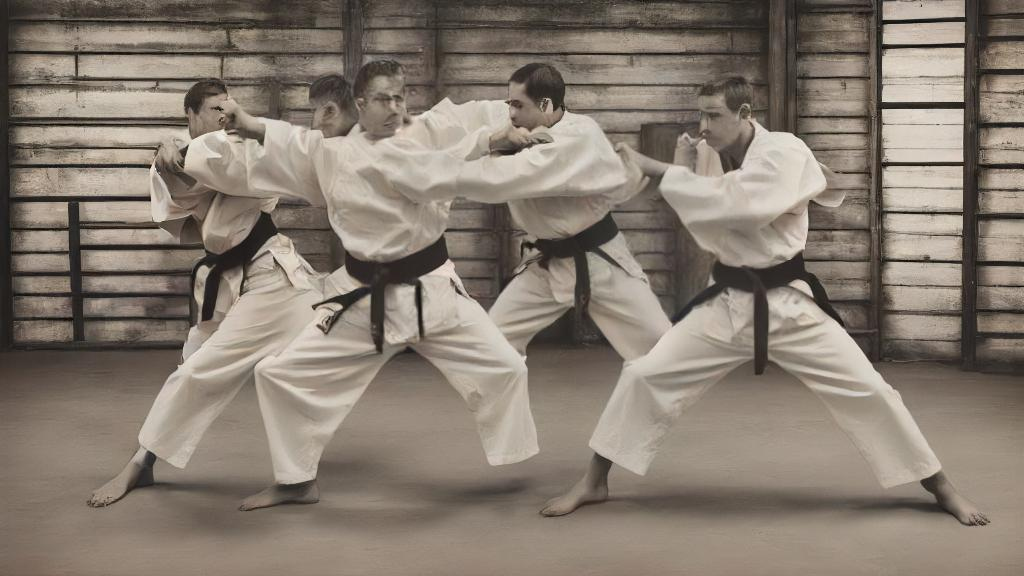
06/06/2024

Effective Martial Arts Training: Tips and Techniques for Maximizing Your Practice Sessions


 Martial arts training is a journey of discipline, perseverance, and continuous improvement. Whether you are a beginner or an advanced practitioner, maximizing your practice sessions is key to achieving your goals. Here are some tips and techniques to ensure you get the most out of your martial arts training.


1. Set Clear Goals


Effective martial arts training begins with setting clear, achievable goals. Define what you want to accomplish in your practice sessions. Whether it's mastering a new technique, improving your stamina, or preparing for a competition, having specific goals keeps you focused and motivated. 


 2. Warm Up Properly


A proper warm-up is crucial to prevent injuries and prepare your body for intense physical activity. Start with light cardiovascular exercises like jogging or jumping rope to increase your heart rate. Follow up with dynamic stretches that mimic the movements you will be performing, such as leg swings and arm circles. This not only prepares your muscles but also enhances your flexibility and range of motion.


 3. Focus on Technique


Perfecting your technique is more important than brute strength or speed. Pay close attention to the details of each move, whether it’s a punch, kick, or grappling maneuver. Practice slowly and deliberately before increasing speed. Use mirrors or video recordings to observe and correct your form. Remember, precision and proper technique are the foundations of effective martial arts training.


4. Train Regularly and Consistently


Consistency is key to progress in martial arts. Develop a training schedule that fits your lifestyle and stick to it. Regular practice helps reinforce muscle memory and ensures continuous improvement. It’s better to train for shorter periods consistently than to have sporadic, intense sessions. 


5. Incorporate Strength and Conditioning


Incorporating strength and conditioning exercises into your routine can greatly enhance your martial arts performance. Focus on functional strength exercises that mimic martial arts movements, such as squats, lunges, and push-ups. Conditioning drills like sprints, circuit training, and plyometrics improve your cardiovascular fitness and endurance, enabling you to perform at your best during practice and competitions.


 6. Spar and Train with Partners


Sparring and partner drills are essential components of martial arts training. They help you apply techniques in real-time, develop timing and distance, and improve your reaction speed. Sparring also provides valuable feedback and helps you identify areas for improvement. Always spar with safety in mind, using appropriate protective gear and adhering to agreed-upon rules.


7. Cool Down and Stretch


A proper cool-down is just as important as the warm-up. Gradually reduce your activity level with light cardio, followed by static stretches. Stretching after training helps reduce muscle soreness, improve flexibility, and aid in recovery. Focus on the major muscle groups used during your practice sessions.


#### 8. Keep a Training Journal


Keeping a training journal can be a powerful tool for tracking your progress and reflecting on your sessions. Record what you practiced, any challenges you faced, and areas that need improvement. Reviewing your journal regularly helps you stay accountable and see how far you’ve come.


In conclusion, maximizing your martial arts training sessions requires a combination of goal-setting, proper technique, regular practice, and supplementary strength and conditioning. By incorporating these tips and techniques, you can enhance your skills, stay motivated, and achieve your martial arts goals more effectively.


The Real-World Effectiveness of Martial Arts: Debunking Myths and Revealing Truths


When it comes to self-defense, many people question the real-world effectiveness of martial arts. Are martial arts useless in a street fight, or can they truly provide practical skills for self-defense? In this post, we’ll debunk common myths and reveal the truths about the real-world applicability of martial arts.


Myth 1: Martial Arts are Only for Sport


One prevalent myth is that martial arts are only effective in controlled environments like sports competitions. While it’s true that many martial arts, such as Taekwondo and Judo, have a significant sports component, their techniques are deeply rooted in self-defense principles. For example, Brazilian Jiu-Jitsu (BJJ), known for its ground-fighting techniques, teaches practitioners how to neutralize threats and defend against larger opponents. The skills learned in BJJ can be directly applied to real-life scenarios, making it a valuable self-defense tool.


Myth 2: Street Fights are Too Chaotic for Martial Arts to be Effective


Another myth is that the chaotic nature of street fights renders martial arts techniques ineffective. However, martial arts training focuses on discipline, situational awareness, and quick decision-making, all of which are crucial in unpredictable situations. Krav Maga, for instance, is specifically designed for real-world self-defense, teaching practitioners to respond swiftly and effectively to various threats. Its emphasis on practicality over form makes it one of the most effective martial arts in street fights.


Myth 3: You Need to be a Black Belt to Defend Yourself


Many believe that only advanced practitioners can effectively use martial arts for self-defense. This is not true. Even basic knowledge and techniques can be incredibly useful in a self-defense situation. Techniques such as basic strikes, blocks, and escapes taught in beginner classes of Karate or Muay Thai can provide significant advantages when facing an aggressor. The key is consistent practice and understanding the fundamental principles of self-defense.


Truth: Martial Arts Enhance Physical and Mental Preparedness


One of the undeniable truths about martial arts is that they enhance both physical and mental preparedness. Martial arts training improves physical fitness, strength, and endurance, which are critical in any self-defense situation. Mentally, martial arts instill confidence, reduce fear, and promote a calm mind under pressure. These attributes are invaluable when dealing with real-world threats.


Truth: Realistic Training Scenarios Improve Effectiveness


Martial arts schools increasingly incorporate realistic training scenarios into their curriculum. Sparring sessions, self-defense drills, and scenario-based training help practitioners experience the stress and unpredictability of real-world encounters in a controlled environment. This type of training ensures that students are not only learning techniques but also how to apply them effectively under pressure.


In conclusion, the real-world effectiveness of martial arts is undeniable. By debunking these myths and understanding the practical applications of martial arts, individuals can appreciate their value in self-defense. Whether it's through BJJ’s ground control, Krav Maga’s practical approach, or the foundational techniques of Karate and Muay Thai, martial arts offer a diverse array of skills that are crucial for personal safety and confidence.


05/06/2024

Are martial arts useless in a street fight?


Martial arts have a long and storied history, with roots dating back thousands of years in various cultures around the world. From the ancient civilizations of China and Japan to the more recent developments in Brazil and the United States, martial arts have played a significant role in shaping both individual lives and society as a whole. However, when it comes to the practical application of martial arts in a street fight or self-defense situation, many people question their effectiveness. The debate over whether martial arts are useless in a street fight has been ongoing for decades, with proponents on both sides presenting compelling arguments. In this essay, we will explore the historical context of martial arts, examine key figures in the field, and ultimately determine whether martial arts are truly useless in a street fight.


Martial arts have deep roots in the traditions and cultures of societies around the world. From the ancient Chinese martial arts of Kung Fu to the Japanese arts of Karate and Judo, these practices have been passed down through generations as a means of self-defense, physical fitness, and spiritual development. In China, martial arts were developed as a means of protection against bandits and invaders, with techniques often passed down within families or monasteries. In Japan, martial arts evolved from the samurai warrior traditions, with practices such as Jiu-jitsu and Aikido emphasizing leverage and joint manipulation over brute force.


As martial arts spread to other parts of the world, they underwent further evolution and adaptation. In Brazil, the art of Brazilian Jiu-jitsu was developed as a means for smaller individuals to overcome larger opponents through ground fighting techniques and submissions. In the United States, disciplines such as Taekwondo and Krav Maga became popular for their emphasis on practical self-defense skills and physical fitness.


Key figures in the world of martial arts have played a significant role in shaping the field and its perception by the public. Bruce Lee, the legendary martial artist and actor, popularized martial arts in the West through his films and philosophy of Jeet Kune Do. Lee's emphasis on practicality and efficiency in combat influenced generations of martial artists and brought the attention of the world to the benefits of martial arts training. Similarly, figures like Royce Gracie, the Brazilian Jiu-jitsu practitioner who dominated early UFC competitions, demonstrated the effectiveness of grappling arts in real-world combat situations.


The impact of whether martial arts are useless in a street fight is a complex and multifaceted issue. On one hand, many traditional martial arts styles may not be well-suited for the chaotic and unpredictable nature of a street fight. The rigid forms and techniques of arts like Karate or Kung Fu may be difficult to apply effectively in a fast-moving and intense situation. Additionally, the emphasis on controlled sparring and adherence to rules in many martial arts schools may not adequately prepare practitioners for the realities of a street fight, where there are no referees or time limits.


However, there are also many ways in which martial arts can be invaluable in a street fight or self-defense situation. Training in martial arts can improve physical fitness, coordination, and reflexes, all of which are crucial in a fight. Moreover, the mental discipline and focus that martial arts instill can help individuals remain calm and composed under pressure, making them less likely to panic or make rash decisions. Techniques such as striking, grappling, and joint locks can be highly effective in neutralizing an opponent and escaping dangerous situations.


In considering whether martial arts are useless in a street fight, it is important to consider the individual practitioner and their training. A skilled martial artist who has trained in realistic scenarios and understands the principles of self-defense is far more likely to be effective in a street fight than someone who has only practiced forms and drills in a controlled environment. Martial arts are not a guarantee of success in a street fight, but they can certainly improve one's chances of survival and protect themselves and others.


In conclusion, the question of whether martial arts are useless in a street fight is a complex and nuanced one that depends on a variety of factors. The historical context and key figures in the field have shaped the development of martial arts and their perception by the public. While traditional martial arts may not always be practical in a street fight, the physical and mental benefits of training in martial arts can be invaluable in self-defense situations. Ultimately, the effectiveness of martial arts in a street fight comes down to the individual practitioner and their training, as well as their ability to apply their skills in a real-world scenario. As martial arts continue to evolve and adapt to modern challenges, they will likely remain a valuable tool for self-defense and personal development in the future.

04/06/2024

Judo Shines at International Competitions: Highlights from the Marrakech Open.


 Introduction to Judo


Judo, which translates to "gentle way" in Japanese, is a modern martial art and combat sport that emphasizes throws, joint locks, and pins to subdue an opponent. Founded in 1882 by Jigoro Kano, judo evolved from traditional Japanese jujutsu techniques, combining physical prowess with a philosophy of mutual welfare and benefit. Its principles of maximum efficiency and mutual benefit extend beyond physical techniques, promoting mental discipline, respect, and the pursuit of continuous improvement. Recognized as an Olympic sport since 1964, judo is practiced worldwide, fostering a global community united by the sport's core values of respect, humility, and perseverance.


The global stage of judo witnessed a remarkable spectacle at the Marrakech Open, where elite judokas from around the world competed fiercely for top honors. The tournament, part of the International Judo Federation’s (IJF) circuit, saw impressive performances across various weight categories, with France making a significant impact.


Teddy Riner Triumphs Again


The highlight of the Marrakech Open was the exceptional performance of Teddy Riner, who secured yet another gold medal in the +100kg category. Riner, a ten-time world champion and two-time Olympic gold medalist, demonstrated his unparalleled skill and determination, further solidifying his status as one of the greatest judokas of all time. His victory at the Marrakech Open adds another accolade to his already illustrious career.


Gold Medalists


France's judo team delivered a stellar performance, clinching multiple gold medals across different weight categories. Chloé Devictor (-57kg), Seima Louette (-66kg), Florine Soula (-70kg), Benjamin Axus (-73kg), Liz Ngelebeya (-78kg), and Francis Damier (-100kg) all stood atop the podium, showcasing the depth and talent within the French squad. Each of these judokas displayed remarkable technique and strategic prowess, contributing to France’s dominance in the tournament.


Silver Medalists


The silver medalists also demonstrated exceptional skill and competitive spirit. Léonie Gonzalez (-52kg), Lou Lemire (-57kg), Perrine Saint Etienne (-63kg), and Laura Fuseau (+78kg) put up strong performances, narrowly missing out on the gold but proving their mettle against some of the toughest competitors in the field.


 Bronze Medalists


Adding to the medal tally were the bronze medalists who fought valiantly to secure their places on the podium. Maxime Merlin (-60kg), Lola Berthet (-57kg), Noa Paul (-63kg), and Tieman Diaby (+100kg) each showcased resilience and tenacity, reflecting the high standards and competitive spirit that judo is known for.


A Celebration of Judo Excellence


The Marrakech Open not only highlighted individual brilliance but also emphasized the camaraderie and sportsmanship inherent in judo. The event was a celebration of the sport’s core values – respect, honor, and perseverance. Competitors from various nations came together, embodying the spirit of judo and contributing to the global community’s appreciation of the sport.


Looking Ahead


As the judo world looks ahead to upcoming international competitions, the performances at the Marrakech Open set a high bar for excellence. The achievements of judokas like Teddy Riner and the French team serve as an inspiration for aspiring athletes worldwide. With the Olympic Games on the horizon, the judo community eagerly anticipates more thrilling competitions and extraordinary displays of skill and sportsmanship.


The Marrakech Open was a testament to the enduring appeal and competitive nature of judo, reaffirming its status as a cornerstone of international martial arts competitions.

01/06/2024

Brazilian JJ basic technique : naked choke.


 Brazilian Jiu-Jitsu (BJJ) is renowned for its emphasis on ground fighting and submission techniques. One of the most effective techniques in BJJ is the **rear naked choke** (RNC). Here's why it's highly regarded:


1. High Success Rate : The rear naked choke is highly effective and commonly used in both sport BJJ and mixed martial arts (MMA). It can render an opponent unconscious if applied correctly and they do not tap out.


2. Position of Control :The RNC is typically executed from the back control position, which is considered one of the most dominant positions in BJJ. From here, the practitioner has significant control over their opponent.


3. Versatility : The RNC can be applied to opponents of different sizes and strengths. It's effective in both gi (traditional BJJ uniform) and no-gi contexts, making it versatile for various competition formats.


4. Safety :  When properly executed in a controlled environment, the RNC is relatively safe compared to other submission techniques, as long as the opponent taps out in time.


5. Biomechanics : The choke leverages the practitioner's biceps, forearm, and shoulder to compress the opponent's carotid arteries, leading to a quick and efficient choke-out.


In summary, the rear naked choke's combination of control, efficiency, versatility, and high success rate makes it one of the most effective techniques in Brazilian Jiu-Jitsu.

30/05/2024

How to practice martial arts effectively?


 How to Practice Martial Arts in an Effective Way?


Practicing martial arts effectively requires a blend of discipline, proper technique, mental focus, and continuous learning. Below are some essential tips and interactive tools to help you maximize your martial arts training.

 1. Set Clear Goals

Define what you want to achieve with your martial arts training. Whether it's improving physical fitness, learning self-defense, or mastering a particular style, setting clear goals will help you stay focused and motivated. Write down your goals and track your progress regularly.


Interactive Tool: Use a goal-setting app like Habitica to gamify your progress and stay on track. Habitica turns your goals into a game, rewarding you for achieving milestones and keeping you engaged.


2. Find the Right Instructor

A knowledgeable and experienced instructor can make a significant difference in your training. Look for someone who not only possesses technical skills but also has a teaching style that matches your learning preferences. Don’t hesitate to attend trial classes with different instructors before making your decision.


Interactive Tool: Participate in online forums or communities like Reddit’s r/martialarts to read reviews and get recommendations on instructors in your area. Engaging with the community can provide valuable insights and firsthand experiences from fellow martial artists.


3. Focus on Fundamentals

Mastering the basics is crucial for any martial artist. Spend ample time on foundational techniques such as stances, strikes, and blocks. These fundamental skills will form the bedrock of your more advanced training.


Interactive Tool: Use YouTube channels like "Martial Arts Journey" that offer detailed tutorials on basic techniques. Bookmark and revisit these videos as part of your practice routine, ensuring you’re performing each move correctly.


4. Cross-Training

Incorporating different styles and disciplines into your training can enhance your overall skill set. For example, combining Brazilian Jiu-Jitsu with Muay Thai can improve both your ground and stand-up game. Cross-training also helps prevent burnout by adding variety to your routine.


Interactive Tool: Join a virtual dojo or online training platform such as Gracie University for Brazilian Jiu-Jitsu or the Muay Thai Guy for striking techniques. These platforms offer structured courses that you can follow at your own pace.


5. Mental Conditioning

Martial arts is as much about mental strength as it is about physical ability. Practices such as meditation, visualization, and breathing exercises can improve your focus, reduce stress, and enhance your performance.


Interactive Tool: Apps like  headspace or Mindfulness offer guided meditation sessions specifically designed for athletes, helping you build mental resilience. Incorporating these practices into your routine can improve your overall training experience.


 6. Consistent Practice

Consistency is key in martial arts. Make a training schedule and stick to it, ensuring you allocate regular time for practice. Even short, daily sessions can be more effective than sporadic, intensive workouts.


Interactive Tool: Use a fitness tracking app like Weighlosscoach to log your training sessions and monitor your consistency. Seeing your progress over time can be a great motivator and help you stay committed to your training.


7. Spar and Compete

Sparring and competing allow you to apply what you’ve learned in a realistic setting. These experiences help you understand your strengths and areas that need improvement. Always spar with a partner who matches your skill level to ensure safety and mutual growth.


Interactive Tool:Engage with online sparring communities or apps like Sparring Pro to find a partners and track your sparring sessions. These platforms can also provide feedback and tips to improve your performance.


8- Stay Informed and Updated
Martial arts are constantly evolving. Keep yourself informed about new techniques, training methods, and industry news. Reading martial arts blogs, watching instructional videos, and attending seminars can provide valuable insights.

Interactive Tool: Subscribe to newsletters from sites like Black Belt Magazine or Martial Arts Illustrated to stay updated with the latest trends and information. Regularly consuming content from experts can inspire new approaches to your training.

Conclusion
Effective martial arts training combines physical practice, mental conditioning, and continuous learning. Utilize the interactive tools and resources available to enhance your training experience, stay motivated, and achieve your martial arts goals. Remember, the journey of mastering martial arts is ongoing, and every step forward brings you closer to becoming a proficient martial artist.

to punch effectively?


 Punching harder involves a combination of technique, strength, speed, and precision. Here are several key factors to consider:


1. #Proper Technique

   - #Stance and Alignment Ensure your stance is solid and balanced. A proper stance allows for better weight transfer and stability.

   - #Hip Rotation: Power in punches often comes from the hips. Rotate your hips and shoulders into the punch to maximize force.

   - #Body Mechanics: Use your whole body, not just your arm. Engage your legs, core, and upper body in a coordinated movement.

   - #Follow-Through: Punch through the target, not just to it. Imagine your punch ending several inches behind the point of contact.


2. #Strength and Conditioning:

   - #Strength Training: Focus on compound exercises like squats, deadlifts, and bench presses to build overall strength. Include exercises that target the muscles used in punching, such as the shoulders, chest, triceps, and core.

   - #Plyometrics: Incorporate explosive exercises like medicine ball throws and clap push-ups to develop power.

   - #Resistance Training:  Use resistance bands or shadow boxing with light weights to improve speed and power.


3. Speed and Timing:

   - #Speed Drills:   Practice speed drills like rapid punching combinations and using a speed bag to enhance hand speed.

   - #Timing:   Work on timing your punches to land at the right moment, which can significantly increase their effectiveness.


4. #Precision and Focus:

   - #Target Practice:  Use focus mitts, heavy bags, and other training aids to practice hitting specific targets accurately.

   -#Visualization:  Visualize the punch landing effectively, which can help improve focus and accuracy.


5. #Breathing and Relaxation:

   - #Breathing:  Exhale sharply as you punch to tighten your core and increase power.

   - #Relaxation:   Stay relaxed until the moment of impact. Tension can slow you down and reduce power.


6. #Repetition and Practice:

   - #Consistent Practice: Regular practice and drilling of punches improve muscle memory and efficiency.

   - #Sparring:   Controlled sparring helps apply these techniques in a dynamic, real-world scenario.


By combining these elements, you can significantly increase the power of your punches. Regular training and attention to detail will yield the best results.

29/05/2024

The Multifaceted Objectives of Martial Arts Training


 Question: How do martial arts training objectives encompass physical strength, mental resilience, self-defense, and philosophical understanding?


Martial arts have captivated people around the globe for centuries, evolving from ancient combat techniques to modern-day practices that offer a wide array of benefits. While often associated with self-defense, martial arts training serves multiple objectives that extend far beyond physical combat. Practitioners embark on a journey that strengthens the body, sharpens the mind, enhances self-defense skills, and deepens their understanding of martial art philosophies.


Physical Strength and Conditioning


One of the most apparent benefits of martial arts training is the improvement in physical fitness. Techniques such as striking, kicking, grappling, and sparring require significant physical exertion, contributing to cardiovascular health, muscle development, and overall endurance. Regular training sessions promote agility, coordination, and flexibility, which are essential for performing complex maneuvers. This rigorous physical activity not only enhances athletic performance but also fosters a sense of discipline and commitment to maintaining a healthy lifestyle.


Mental Resilience and Focus


Beyond the physical demands, martial arts significantly contribute to mental fortitude. Training often includes meditation and mindfulness practices that help practitioners develop a calm and focused mind. The repetitive nature of practicing forms and techniques cultivates patience and perseverance, teaching individuals how to push through challenges and setbacks. The mental clarity gained through martial arts can translate to improved concentration, stress management, and emotional regulation in everyday life. This mental resilience is crucial for facing not only physical opponents but also the daily stresses and pressures of modern life.


Self-Defense Skills


Self-defense is a core component of many martial arts disciplines. Learning how to protect oneself in various situations is a powerful and empowering skill. Martial arts teach practical techniques for defending against attacks, emphasizing awareness, quick reflexes, and strategic thinking. These skills are invaluable in real-world scenarios where personal safety is at risk. Moreover, the confidence gained from knowing how to defend oneself can significantly reduce fear and anxiety, allowing individuals to navigate their environments with greater assurance and security.


Philosophical Understanding


At the heart of martial arts lies a rich tapestry of philosophy and ethics. Many martial arts traditions are steeped in cultural and spiritual teachings that emphasize respect, humility, and self-discipline. The philosophical underpinnings of martial arts encourage practitioners to strive for personal growth, ethical behavior, and harmonious living. For example, the concept of "Do" in Japanese martial arts, meaning "the way," reflects a lifelong journey of self-improvement and enlightenment. Understanding these philosophies fosters a deeper connection to the art form and its cultural heritage, enriching the training experience beyond physical and technical mastery.


Conclusion


Martial arts training is a holistic practice that integrates physical conditioning, mental resilience, self-defense, and philosophical insight. It is a path that offers diverse rewards, shaping individuals into well-rounded, confident, and thoughtful practitioners. Whether one seeks to enhance physical fitness, develop mental strength, learn self-defense, or explore the deeper philosophies, martial arts provide a comprehensive approach to personal development. By embracing the multifaceted objectives of martial arts, practitioners embark on a transformative journey that extends well beyond the dojo and into all aspects of life.

The Importance of Mastering the Basics in Martial Arts Training


 Question: Why is it essential to practice the basics intensely and deeply, whether you aim to master one martial art or multiple disciplines?


In the world of martial arts, whether you aspire to master a single discipline or multiple forms, the foundation of your training lies in the basics. These fundamental techniques and principles are the building blocks upon which advanced skills are developed. Intense and deep practice of the basics is essential for achieving mastery, as it ensures a solid foundation, enhances proficiency, and cultivates a disciplined mindset.


The Role of Basics in Martial Arts


Every martial art, from karate and taekwondo to judo and Brazilian jiu-jitsu, emphasizes the importance of basic techniques. These include stances, strikes, blocks, kicks, and movements that form the core of the discipline. For example, in karate, mastering the basic stances like "Zenkutsu-dachi" (front stance) and "Kiba-dachi" (horse stance) is crucial for maintaining balance and power. In judo, understanding fundamental throws such as "O-goshi" (hip throw) and "Seoi-nage" (shoulder throw) is essential for effective grappling.


Building a Strong Foundation


Practicing the basics intensely and deeply ensures that martial artists develop a strong foundation. This foundation is critical for performing more complex techniques with precision and power. A well-practiced punch or kick, executed with proper form and technique, can be far more effective than a poorly executed advanced maneuver. Repetition of basic drills ingrains muscle memory, allowing movements to become second nature. This muscle memory is vital in high-pressure situations where quick, instinctive responses are necessary.


Enhancing Proficiency and Skill


By focusing on the basics, martial artists enhance their overall proficiency and skill level. Each advanced technique in martial arts is essentially an extension or combination of basic movements. For instance, a spinning hook kick in taekwondo builds upon the foundational roundhouse kick and proper pivoting technique. Without a solid grasp of these basics, advanced techniques can lack effectiveness and control. Intense practice of the basics leads to greater precision, speed, and fluidity in all aspects of martial arts.


Cultivating a Disciplined Mindset


Martial arts training is not only about physical skills but also about cultivating a disciplined mindset. The rigorous practice of basics teaches patience, perseverance, and attention to detail. Martial artists learn to appreciate the value of hard work and the incremental progress that comes with consistent practice. This disciplined approach extends beyond the dojo, influencing other areas of life such as academic pursuits, professional careers, and personal relationships.


 Conclusion


Whether you aim to master a single martial art or explore multiple disciplines, the importance of practicing the basics intensely and deeply cannot be overstated. These fundamental techniques are the cornerstone of martial arts training, providing a strong foundation, enhancing proficiency, and fostering a disciplined mindset. By dedicating time and effort to mastering the basics, martial artists set themselves on a path to true mastery, ensuring that their skills are built on a solid and enduring base.

27/05/2024

The Impact of Action Movies on Young Martial Arts Practitioners


 Action movies have a significant cultural influence, particularly on children who practice martial arts. These films often portray dynamic, stylized combat and heroic characters, captivating the imaginations of young viewers. However, the impact of action movies on young martial arts practitioners is multifaceted, encompassing both positive and negative aspects.


Inspiration and Motivation:

Action movies can serve as a powerful source of inspiration for young martial artists. Iconic figures like Bruce Lee, Jackie Chan, and Jet Li are revered for their martial prowess and have inspired generations of practitioners. These films often showcase the discipline, dedication, and skill required to excel in martial arts, motivating children to pursue their training with greater enthusiasm and commitment. Seeing their heroes perform incredible feats can ignite a passion for martial arts, encouraging kids to work harder to emulate their idols.


Reinforcing Training:

Many action movies highlight the importance of practice, perseverance, and overcoming obstacles. This can reinforce the values taught in martial arts classes, such as respect, discipline, and resilience. When children see these principles depicted in their favorite movies, it can strengthen their understanding and commitment to these ideals in their own training. Additionally, watching advanced techniques and forms performed on screen can give young martial artists a visual reference, helping them understand and perfect their own movements.


Physical and Mental Development:

Engaging with action movies can stimulate a child's imagination and creativity. It can also encourage physical activity, as children often try to replicate the moves they see on screen. This can enhance their physical coordination, agility, and strength. Moreover, the mental focus required to imitate complex martial arts sequences can improve concentration and cognitive skills.


Unrealistic Expectations:

Despite the benefits, there are potential downsides to young martial artists watching action movies. One significant concern is the portrayal of unrealistic combat scenarios. Action films often exaggerate the abilities of their characters, showcasing moves that are not feasible or safe in real life. Young viewers might develop unrealistic expectations about their own abilities, leading to frustration or injury when they cannot replicate what they see on screen.


Violence and Aggression:

Another concern is the depiction of violence in action movies. While martial arts emphasize self-control and non-violence, action films often glorify combat and aggressive behavior. This can send mixed messages to young martial artists, potentially encouraging them to use their skills inappropriately. It is crucial for parents and instructors to contextualize the violence depicted in these movies, emphasizing the difference between on-screen entertainment and real-life conduct.


Role Models and Diversity:

Action movies can also shape children's perceptions of gender and diversity in martial arts. Positive representation, such as strong female martial artists and diverse characters, can inspire inclusivity and broaden young practitioners' perspectives. However, stereotypical or one-dimensional portrayals can reinforce negative biases. It is essential for children to see a variety of role models to appreciate the diverse world of martial arts.


Guidance and Supervision:

To maximize the positive impact of action movies on young martial artists, guidance and supervision are key. Parents and instructors should encourage children to watch age-appropriate films and discuss the content with them. Highlighting the difference between entertainment and reality, and reinforcing the core values of martial arts, can help mitigate any negative influences.


"Fueling Success: The Ultimate Guide to Crafting a Nutritious Diet for Karateka Kids"


 A karateka kid's diet is essential for fueling their active lifestyle, supporting growth, and optimizing performance. Here's a comprehensive guide to crafting a nutritious diet for young karate practitioners:


1. Balance Macronutrients:

   - Carbohydrates: Provide energy for training and recovery. Opt for whole grains like brown rice, quinoa, and whole wheat bread.

   - Proteins: Aid in muscle repair and growth. Include lean sources such as chicken, turkey, fish, tofu, beans, and lentils.

   - Fats:Essential for overall health and hormone production. Choose healthy fats like avocados, nuts, seeds, and olive oil.


2. Prioritize Hydration:

   - Hydration is crucial for performance and recovery. Encourage your child to drink water throughout the day, especially before, during, and after training sessions.

   - Electrolyte-rich drinks can be beneficial during intense workouts, but avoid sugary sports drinks unless absolutely necessary.


3. Eat Colorful Fruits and Vegetables:

   - Fruits and vegetables provide essential vitamins, minerals, and antioxidants to support overall health and recovery.

   - Encourage a variety of colors to ensure a diverse nutrient intake. Examples include spinach, kale, berries, oranges, and carrots.


4. Timing is Key:

   - Ensure your child eats a balanced meal or snack containing carbohydrates and protein about 1-2 hours before training to provide sustained energy.

   - After training, refuel with a snack or meal rich in carbohydrates and protein within 30-60 minutes to support muscle repair and recovery.


5. Limit Processed Foods and Sugary Snacks:

   - Minimize intake of processed foods high in unhealthy fats, sugars, and additives. These can lead to energy crashes and negatively impact overall health.

   - Opt for whole food snacks such as yogurt with fruit, trail mix, hummus with veggies, or whole grain crackers with cheese.


6. Incorporate Healthy Snacks:

   - Choose snacks that provide sustained energy and nutrients. Examples include nut butter with whole grain crackers, Greek yogurt with honey and granola, or a turkey and cheese roll-up.

   - Keep portion sizes in check to avoid overeating, especially before training sessions.


7. Encourage Regular Meals:

   - Aim for three balanced meals per day along with healthy snacks as needed to keep energy levels stable and support growth and development.

   - Involve your child in meal planning and preparation to teach them about nutrition and empower them to make healthy choices.


8. Listen to Your Child's Body:

   - Every child is different, so pay attention to how certain foods make your child feel. Adjust their diet accordingly to optimize performance and well-being.

   - Consult with a pediatrician or registered dietitian if you have concerns about your child's nutritional needs or dietary preferences.


By prioritizing nutrient-dense foods, staying hydrated, and timing meals and snacks appropriately, you can help your karateka kid perform at their best while promoting long-term health and well-being.

Choosing Effective Martial Arts for Street Fighting


In the unpredictable chaos of a street fight, the effectiveness of a martial art can make all the difference between survival and defeat. While every discipline has its strengths, some martial arts are particularly well-suited for real-world self-defense scenarios. Let's explore the most effective martial arts for street fighting:


Krav Maga:


Developed by the Israeli military, Krav Maga is renowned for its practicality and efficiency in real-world combat situations. Unlike traditional martial arts, Krav Maga focuses on instinctive movements and aggressive counterattacks, aiming to neutralize threats quickly and decisively. Its techniques include strikes to vulnerable areas, defensive maneuvers against grabs and holds, and rapid incapacitation of attackers. Krav Maga's emphasis on practicality and adaptability makes it a highly effective martial art for street fights.


Brazilian Jiu-Jitsu (BJJ):


Brazilian Jiu-Jitsu is a grappling-based martial art that emphasizes ground fighting and submission techniques. It teaches practitioners how to control opponents, neutralize their attacks, and submit them using joint locks and chokeholds. In street fights, where encounters often end up on the ground, BJJ provides invaluable skills for controlling and incapacitating adversaries, even if they are larger and stronger. Its focus on leverage and technique over brute force makes it highly effective for self-defense.


Muay Thai:


Known as the "Art of Eight Limbs," Muay Thai is a striking-based martial art from Thailand that utilizes punches, kicks, elbows, and knee strikes. Its techniques are designed to inflict maximum damage on opponents, making it a formidable combat style for street fights. Muay Thai practitioners are trained to deliver powerful strikes with precision and efficiency, aiming for vulnerable targets such as the head, ribs, and legs. Additionally, Muay Thai's clinch work allows practitioners to control opponents at close range, making it effective in various combat situations.


Boxing:


Boxing is renowned for its emphasis on footwork, head movement, and powerful punches. In street fights, where stand-up striking is often the primary form of combat, boxing skills can be highly effective for self-defense. Boxers are trained to deliver punches with speed and accuracy, while also evading incoming strikes. Additionally, boxing teaches practitioners how to maintain distance and control the pace of the fight, which can be crucial in street confrontations.


Jeet Kune Do

Created by martial arts legend Bruce Lee, Jeet Kune Do is not a traditional martial art but rather a philosophy of combat. It emphasizes practicality, efficiency, and adaptability, encouraging practitioners to use whatever techniques are most effective in a given situation. Jeet Kune Do blends elements of various martial arts, including boxing, fencing, and Wing Chun, to create a versatile fighting style that is well-suited for street fights.


In conclusion, when it comes to street fighting and self-defense, choosing the right martial art can significantly impact your ability to protect yourself in dangerous situations. Disciplines like Krav Maga, Brazilian Jiu-Jitsu, Muay Thai, Boxing, and Jeet Kune Do are known for their effectiveness due to their focus on practical techniques, adaptability, and real-world application. By training in these martial arts, individuals can develop the skills and confidence needed to defend themselves in unpredictable street confrontations.


25/05/2024

Empowering Little Warriors: Why Karate is the Perfect Martial Art for Kids


In a world filled with distractions and uncertainties, finding an activity that not only promotes physical fitness but also instills discipline, focus, and confidence in children is invaluable. Enter karate – a martial art that transcends mere physicality, offering a holistic approach to personal development for kids. Let's delve into why karate stands out as the perfect martial art for children.


### Building Confidence from Within

Karate is more than just kicks and punches; it's about mastering oneself. For kids, this journey begins with the simple act of stepping onto the dojo floor. Through consistent training, they learn to conquer challenges, both physical and mental, fostering a sense of self-assurance that permeates every aspect of their lives. As they progress through belt ranks, each achievement becomes a testament to their growing confidence, empowering them to tackle obstacles with a newfound belief in their abilities.


### Cultivating Discipline and Focus

In a world of constant stimulation, teaching children the value of discipline and focus is paramount. Karate provides a structured environment where kids learn to respect their instructors, follow instructions diligently, and focus their attention on the task at hand. From mastering basic techniques to executing complex kata sequences, every aspect of karate demands unwavering concentration, honing children's ability to stay present and focused amidst distractions—a skill that serves them well both inside and outside the dojo.


### Fostering Respect and Camaraderie

Karate is steeped in tradition and etiquette, emphasizing respect for oneself and others. Kids learn to bow to their instructors and fellow practitioners, acknowledging the mutual respect inherent in martial arts practice. This culture of respect extends beyond the dojo, shaping children into compassionate and considerate individuals who value the contributions of others. Moreover, the camaraderie fostered among karateka creates a sense of belonging, as children forge friendships grounded in mutual respect and shared experiences.


### Promoting Physical Fitness and Coordination

In an age dominated by screens and sedentary lifestyles, the importance of physical activity cannot be overstated. Karate offers a dynamic blend of cardio, strength, and flexibility training, keeping kids active and healthy. From performing precise strikes to executing fluid stances, every movement in karate engages different muscle groups, promoting overall fitness and coordination. Moreover, the repetitive nature of kata practice enhances muscle memory and motor skills, refining children's physical capabilities with each session.


### Instilling Values that Last a Lifetime

Beyond the dojo, the lessons learned in karate resonate throughout children's lives, shaping their character and values. Integrity, perseverance, and indomitable spirit are not merely words but guiding principles instilled through the practice of karate. Whether facing academic challenges, peer pressure, or life's inevitable setbacks, kids draw upon the resilience cultivated in karate to persevere with courage and determination. In this way, karate becomes more than a martial art—it becomes a way of life.


### Conclusion

Karate is more than just a sport; it's a transformative journey that empowers kids to become the best versions of themselves. Through disciplined practice and unwavering dedication, children develop the physical, mental, and emotional resilience needed to navigate life's myriad challenges. As they grow and evolve on their karate journey, they emerge not only as skilled martial artists but as confident, disciplined, and compassionate individuals ready to take on the world—one punch, one kick, one kata at a time.

Struggling to Lift Your Knees When Jumping Rope? Here is the Science and the Fix.

  Jumping rope is one of the most efficient, high-intensity workouts for building cardiovascular endurance, burning calories, and impro...